


From Dorm Rooms To Campsites: Where Portable Silicone Lights Are Heading Next
Nov 02, 2026
Leave a message
The Silicone Koala Night Light shows the drift: merchandised beside baby gifts, but specified like travel equipment - cordless, rechargeable over USB-C, sealed against spills and dust, and operable by a tap in the dark. Nothing in that specification is specific to children.
The Features Travel Well
Three traits transfer outside the bedroom. Battery power removes the outlet constraint, so the lamp works where sockets are scarce or shared. The soft silicone body survives being packed in a bag and dropped on a floor. And tap control needs no instructions - anyone can operate it in the dark.
The numbers hold up too. A 1200mAh cell charged over USB-C in about three hours runs up to 30 hours at low brightness, which covers a weekend away without a charger and, at home, rides through an evening power cut without a candle in sight.
|
Setting |
Power reality |
What the lamp offers |
|
Student dormitory |
One shared socket per room |
Cordless, compact, tap on and off |
|
Travel and hotels |
Unfamiliar outlets |
USB-C top-ups; bedside light away from home |
|
Camping and tents |
No mains power |
Long runtime; body that survives drops |
|
Home backup |
Outages |
Low-heat light safe in dark corners |
Each scenario is modest on its own. Together they turn a seasonal nursery item into something a household reaches for several times a year - the difference between a product and a habit.
The Buyer's Repositioning Decision
Retail placement follows the use case. The same koala lamp can sit in a travel-accessories display in spring and a gift set in December, and suppliers support that with packaging variation rather than new molds. Certification travels with the product - CE, RoHS, FCC, REACH, CPC and EN71 documentation remain the baseline - but a travel buyer asks different questions: charge-cycle life, port sealing, and whether the control needs a housing cut-out.
Those questions favor the sealed construction the category already uses: pad sensors that read vibration through the silicone wall, with no switches or openings to fail in a backpack.
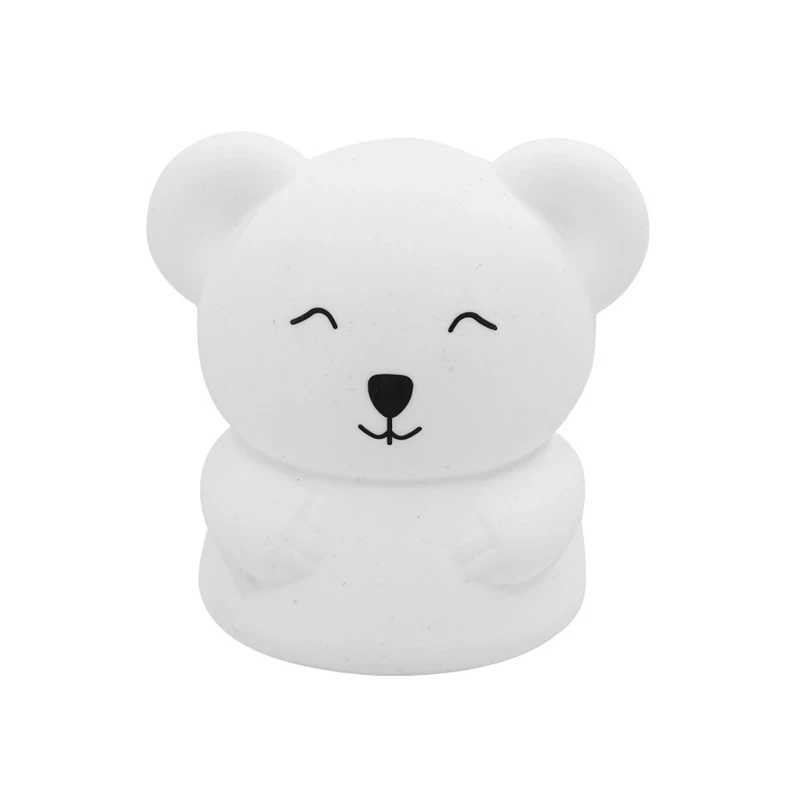
Because a new use case rarely needs a new mold, the category supports a long tail of seasonal and channel-specific SKUs without heavy tooling.
The lamp was designed for one room and ended up fitting every room. That is the definition of a platform product - and buyers who treat it as general lighting rather than baby gear are the ones finding the new aisles first.
Jinjiayi Daily Necessities - official site: nwodaily.com.